Protein for Fat Loss: Why It Matters and How to Use It
When people think about weight loss, they often focus on how much they eat rather than what they eat. While total food intake plays a role, the nutrients you choose can matter just as much — and in many cases, even more. This is especially true when it comes to protein intake for weight loss. If your progress has
felt slow or inconsistent despite your best efforts, taking a closer look at how much protein you are eating each day may be one of the most impactful adjustments you can make.
Protein for fat loss is not a passing trend or a gym buzzword. It is one of the most well-researched and consistently supported principles in nutrition science. Understanding why protein is important for weight loss can help you make smarter food choices, manage hunger more effectively, and build a plan that is realistic and sustainable long term. The science behind protein and weight loss comes down to three core mechanisms: muscle preservation, appetite control, and metabolic support — and each one plays a distinct role in helping you reach and maintain your goals.
How Protein Helps Preserve Lean Muscle During Weight Loss
One of the most important things to understand about protein and weight loss is what actually happens inside your body as the scale goes down. Many people assume that losing weight automatically means losing fat, but that is not always the case. When the body does not receive adequate protein, it may begin to break down lean muscle tissue for energy — particularly during periods of reduced food intake. This process affects your body composition far more than most people realize.
This matters because lean muscle is metabolically active tissue. It plays a direct role in how many calories your body burns throughout the day, even at rest. When you lose muscle alongside fat, your resting metabolism slows down, making it progressively harder to continue losing weight over time. The frustrating plateau that many people hit — where the scale stops moving despite continued effort — is often connected to muscle loss and the metabolic slowdown that follows.
Eating enough protein to preserve lean muscle while losing weight helps protect against this outcome. By supplying your body with the amino acids it needs to maintain and repair muscle tissue, you support a more active metabolism and make it easier to keep fat loss moving in the right direction. At Metabolic Research Center, coaches work closely with clients to build meal plans that prioritize adequate protein at every stage of their program — not just to support short-term results, but to protect body composition and metabolism for the long term.
Does Protein Really Keep You Fuller Longer?
Another major advantage of protein for fat loss is its powerful effect on hunger and satiety. If you have ever noticed that a breakfast built around eggs or Greek yogurt keeps you satisfied for hours while a carbohydrate-heavy meal leaves you hungry again within an hour or two, that is the satiety effect of protein at work.
Protein keeps you full by directly influencing the hormones that regulate appetite. It suppresses ghrelin, the hormone that signals hunger, and stimulates peptide YY, one of the key satiety hormones that signals fullness to the brain. When your meals consistently include a strong source of protein, your body tends to reach satisfaction more quickly and hold it for longer. This naturally reduces the urge to snack between meals and makes it significantly easier to stay on track with your nutrition plan without relying on willpower alone.
Protein and appetite management are deeply connected, and leveraging this connection is one of the most practical strategies available for anyone working toward a healthier weight. Building meals around sufficient protein intake for weight loss creates a natural foundation for eating less without feeling deprived — a distinction that makes a real difference in how sustainable your plan feels day to day.
How Protein Supports Your Metabolism
Beyond muscle preservation and satiety, protein also supports metabolism in a way that compounds quietly over time. Digesting food is not a passive process — your body actually burns calories to break down the macronutrients you consume. This is known as the thermic effect of food, and not all nutrients carry the same thermic load.
Protein has a significantly higher thermic effect than either carbohydrates or fats, which means your body uses more energy to digest and process it. In practical terms, a meaningful portion of the calories in the protein you eat are used up during the digestion process itself. For anyone consistently focused on protein for fat loss, this thermogenic advantage adds up and can contribute to a slightly elevated caloric burn throughout the day — particularly when combined with regular physical activity and a well-structured nutrition plan.
Understanding how protein supports metabolism through the thermic effect of food helps explain why two people eating the same total amount of food can have very different results depending on how much of that food comes from high-quality protein sources.
Best High Protein Foods for Fat Loss
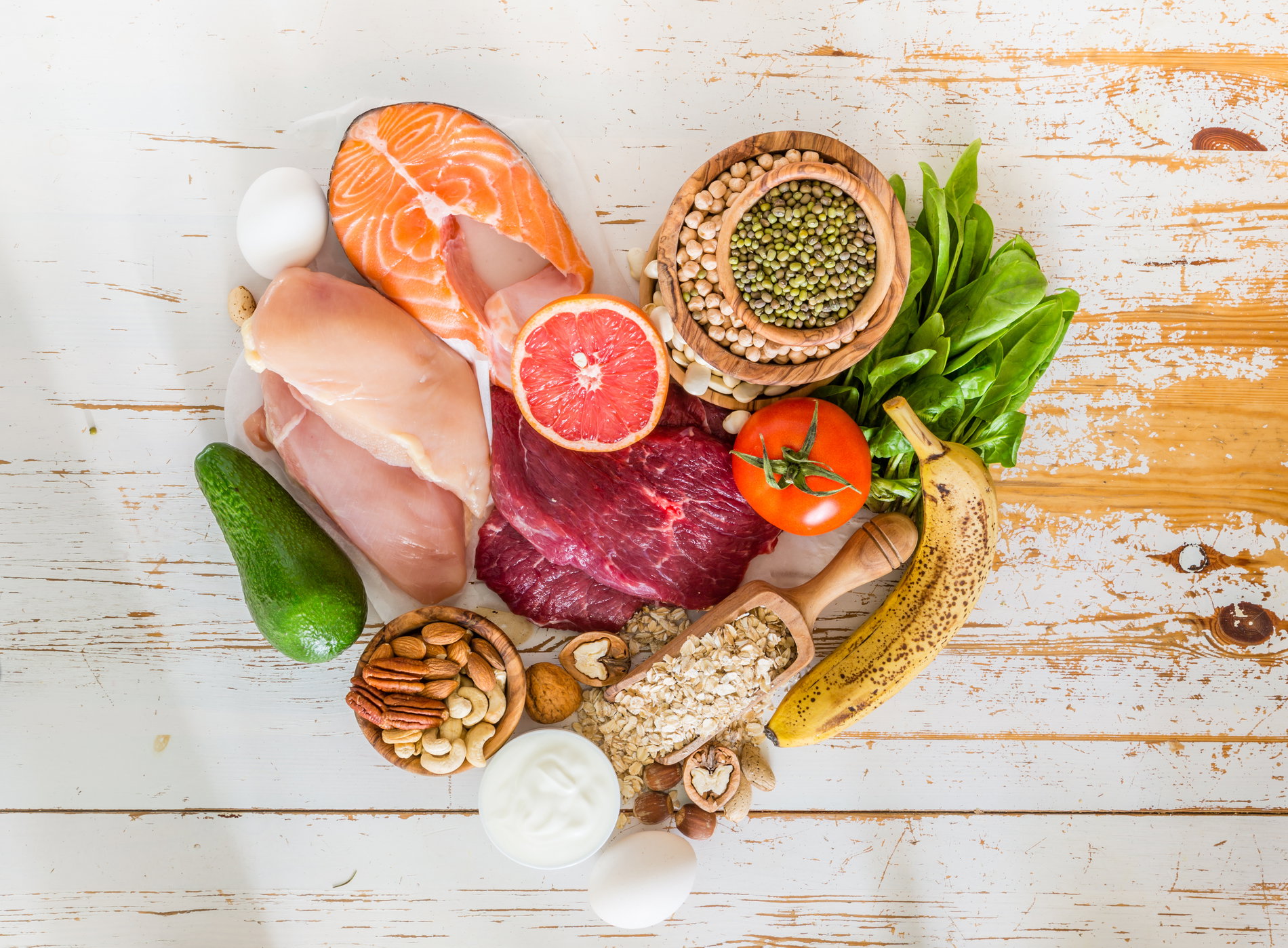
Increasing your protein intake for weight loss does not require expensive supplements or complicated meal preparation. Many of the best protein foods for weight loss are simple, affordable, and easy to incorporate into everyday meals. The key is making protein a consistent and intentional part of every meal rather than an afterthought.
Some of the most effective high protein foods for fat loss include:
- Lean meats for weight loss such as chicken breast, turkey, and lean cuts of beef or pork
- Eggs, one of the most complete and versatile protein sources, rich in essential amino acids
- Greek yogurt, which offers high protein density along with probiotics that support digestive health
- Cottage cheese, particularly valuable for its casein protein content, which digests slowly and supports prolonged satiety
- Legumes including lentils, black beans, and chickpeas, which combine protein with fiber for added fullness
- Fish and seafood such as salmon, tuna, tilapia, and shrimp, which also provide heart-healthy fats
- Protein-rich snacks and high-quality supplements when whole food sources are not practical
The goal is not to build your entire diet around protein alone, but to ensure that every meal includes a meaningful source of it alongside other key nutrients. This balanced approach supports energy, satisfaction, meal planning consistency, and long-term weight loss success.
How to Build a Balanced Weight Loss Meal Plan
Knowing that protein and fat loss are connected is a valuable starting point, but the real difference comes from applying that knowledge consistently across every meal, every day — even when life is busy, stressful, or unpredictable. A structured weight loss meal plan does not just account for protein. It also addresses meal timing, portion awareness, food quality, hydration, and personal preferences to create a plan that feels realistic enough to actually follow.
For many people, this is precisely where a guided approach makes the most significant difference. It is one thing to understand nutrition principles in theory and another to translate them into practical, sustainable habits that hold up over weeks and months. This is where weight loss coaching nutrition becomes genuinely valuable. Having a coach in your corner means you are not just guessing — you are following a plan built around your body, your goals, and your real-life schedule.
At Metabolic Research Center, the approach goes beyond simply telling clients what to eat. Coaches help clients understand the reasoning behind each recommendation, develop confidence in their food choices, and make adjustments as their needs evolve. Whether you are just beginning your weight loss journey or working to break through a stubborn plateau, building meals around high protein foods for fat loss, protecting lean muscle, and following a personalized structured weight loss meal plan can fundamentally change what is possible for you.
If you are ready to stop guessing and start seeing real, consistent progress, a consultation at Metabolic Research Center is a great first step. Our team can help you build a personalized plan designed specifically for your body, your goals, and your life.
By submitting this form, you agree to receive marketing text messages from us at the number provided, including messages sent by autodialer. Consent is not a condition of any purchase. Message and data rates may apply. Message frequency varies. Reply HELP for help or STOP to cancel. View our Privacy Policy and Terms of Service.