Melatonin Connection to Gut-Brain Axis
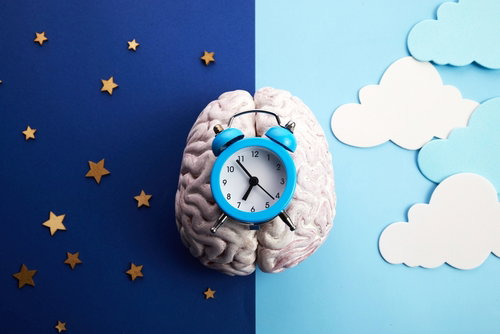
“How Nighttime Sleep Hormones Affect Fullness Signals”
Nighttime sleep hormones act as your body’s metabolic reset button for your food intake. Even one night of poor sleep can flip your gut-brain axis into hunger mode. If you don't get enough sleep, your brain's internal conversation with the gut microbiome about food changes. Chemical signals tell you that your body needs a quick fix and annoying signals for high-calorie, sugary and fried foods gets louder. But, those cravings are due to dysbiosis and are not true hunger signals.
Beyond production in your brain’s pineal gland, significant amounts of melatonin hormone are synthesized in the intestines by key gut cells, often exceeding levels found in the brain by hundreds of times. So, melatonin has an important role in microbiota modulation by helping to restore gut barrier, reducing permeability (leakiness) caused by poor diet or stress, and restoring microbial balance of gut bacteria by acting as a probiotic.
Dysbiosis that leads to gut-brain axis imbalance can cause insomnia, while sleep deprivation reduces beneficial gut microbes, which creates a negative feedback loop. Melatonin also influences neurotransmitter signaling by increasing beneficial short-chain fatty acids and decreasing harmful secondary bile acids. So, by protecting the gut, melatonin reduces systematic inflammation that have been linked to neurodegenerative conditions like Alzheimer’s and Parkinson’s disease.
Recent observations by American Heart Association...
An observational study presented by the American Heart Association in New Orleans at Scientific Sessions 2025 suggests that taking melatonin pills each night for a year or longer may be associated with a 90% higher risk of heart failure in people with chronic insomnia. Additionally, the non-peer reviewed research indicates an almost 3 1/2 times higher likelihood of hospitalizations for heart failure and double the risks for all-cause mortality from uninterrupted long-term melatonin supplementation. However, the study only found a correlation. It is possible that the severity of insomnia itself, which is a known cardiovascular risk factor, is the actual cause of the documented heart problems. With that said, melatonin might be a red flag for other underlying metabolic health conditions, such as sleep apnea.
PROTEIN FORWARD FOODS SUPPORT GUT-BRAIN RHYTHM
Protein-first diets, particularly those rich in plant-based proteins, fiber, and healthy fats, support the gut-brain axis by fostering a diverse microbiome, reducing inflammation, and regulating satiety hormones like GLP-1. It is important to note, however, that timing matters a lot. When melatonin levels are naturally high at night, the body's metabolism shifts into "rest mode," making it less efficient at processing food so proteins should be consumed at least 30 minutes to an hour before lights out.
While protein is crucial, the source matters. So, menu plans high in lean protein and fiber are superior to those high in red meats, which can decrease microbial diversity. Protein-forward foods support the gut-brain axis by providing key amino acids like tryptophan that the brain uses to synthesize mood-regulating neurotransmitters (serotonin and dopamine). To maximize their benefits, pick dual-action" proteins that also contain prebiotic fiber that's most effective at strengthening the gut barrier and reducing systemic inflammation.
While plant proteins are often prioritized for gut diversity, certain lean animal proteins provide critical micronutrients like iron and vitamin B12. Although most people associate after-meal sleepiness with eating turkey at Thanksgiving, chicken breasts are higher in tryptophan content and are a precursor for serotonin. In addition, eggs provide a protein source for choline that is used by your brain to produce a neurotransmitter linked to improved memory. Because of the high iron content, lean grass-fed beef helps oxygenates your brain for chemical signaling.
___________________
Melatonin hormone acts as a critical mediator in the bidirectional pathway known as the gut-brain axis. It’s key role is regulating circadian rhythms to improve intestinal barrier functions and reduce neuroinflammation. Beyond the initial release from your brain’s pineal gland, your gut then produces approximately 400 times more melatonin, which defines the major link between melatonin and your gut-brain pathway. If you’re struggling to sleep, contact Metabolic Research Center Amelia Plaza today. One of our weight loss coaches will be in touch to discuss how you can get a good night’s sleep and still enjoy the weight loss benefits of a protein-first, low carb diet. After all, the quality of sleep you get isn’t just about getting through your daily grind; your gut-brain-melatonin axis is directly linked to increased risk of heart disease, high blood pressure, diabetes, kidney disease, stroke, and obesity.
*NOTE: Generally speaking, melatonin supplementation should be avoided by pregnant or breastfeeding women, those with autoimmune disease, or individuals taking immunosuppressants, blood thinners, or certain blood pressure medications.
By submitting this form, you agree to receive marketing text messages from us at the number provided, including messages sent by autodialer. Consent is not a condition of any purchase. Message and data rates may apply. Message frequency varies. Reply HELP for help or STOP to cancel. View our Privacy Policy and Terms of Service.