Nighttime Melatonin’s Gut-Brain Connection
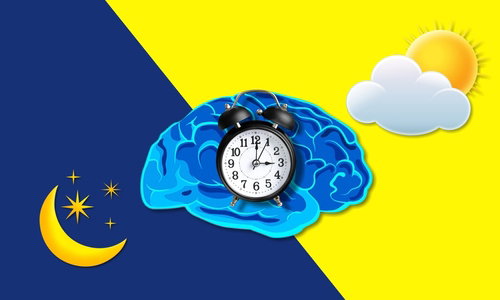
“How Sleep Hormones Influence Fullness Signals and Hunger”
Produced by both the pineal gland in your brain and via tryptophan in your gut, melatonin reduces inflammation, manages nighttime hunger, and modulates gut motility as you sleep to improve overall sleep quality. Melatonin also helps maintain a healthy gut microbiome, which creates a beneficial feedback loop for sleep pathways. Hormone levels peak around midnight to control hunger, reduce food cravings, manage cortisol levels, and boost the quality of sleep.
Whether consumed from protein-first foods or taken as a supplement, nighttime melatonin acts as a crucial link in the gut-brain axis. Since the gut contains about four hundred times more melatonin than the brain, this bidirectional pathway allows melatonin to regulate your sleep-wake cycles, protects the gut barrier lining, improves motility, and influences the bacterial balance of your gut microbiota. Plus, gut dysbiosis reduces melatonin and boosts neuroinflammation.
Unlike pineal melatonin that follows a strict light-dark cycle, gut melatonin is primarily regulated by your food intake and local environment. A protein-forward diet can boost melatonin by supplying the raw materials necessary for its synthesis and supporting neurotransmitter pathways that regulate sleep. Low-carb, non-starchy vegetables like leafy greens, mushrooms, and broccoli can aid melatonin by delivering essential nutrients like magnesium that helps with muscle relaxation and support sleep without causing the blood sugar spikes.
What is the sleep-dysbiosis feedback loop?
Disrupting the gut-sleep axis can lead to a vicious cycle, as sleep loss reduces both plasma and gut melatonin. Moreover, gut dysbiosis in this bidirectional feedback loop between sleep and gut health further disrupts sleep and sleep quality. The new cycle involves the microbiota-gut-brain axis, where the lack of sleep alters microbial diversity in your gut by reducing beneficial bacteria that impacts overall sleep regulation. Since your brain and gut communicate through the vagus nerve, chronic stress can also trigger inflammation that breaks down the gut’s intestinal barrier (leaky gut), allowing bacterial toxins to enter the bloodstream and trigger further inflammation, which ultimately disrupts sleep quality even more. Research does suggest that menus that are high in low-glycemic fiber and contain fermented foods may help restore your gut’s microbial diversity.
PROTEIN INTERVENTIONS TO STABILIZE THE CIRCADIAN CLOCK
Did you know that the protein on your plate could be influencing how well you sleep at night? It all comes down to tryptophan, which is an essential amino acid found in protein-rich foods that play a key role in your body's sleep-wake cycle. Tryptophan is used by your body to produce serotonin, a neurotransmitter that regulates mood, appetite, and pain. When darkness falls, your pineal gland converts serotonin into melatonin. So, serotonin levels tend to be higher during the day, and as night sets in, your body ramps up melatonin production.
To prepare you for sleep, light sources are detected by your eyes, which explains why exposure to blue screen or sources of artificial light before bed can make it much harder to fall asleep. It's also worth noting that the two rest-related hormones serve distinct purposes. While melatonin governs your sleep-wake cycle, serotonin is more closely tied to your mood and overall sense of wellbeing. Moreover, when it comes to tryptophan sources, most people think of turkey first. However, chicken breast actually contain more tryptophan per serving.
If you eat animal products, these may be easier for your body to absorb, as they are considered complete proteins. That said, there are plenty of low-carb plant-based options that are high in fiber. Sources of protein-first low-glycemic vegetables feature non-starchy vegetables, such as tomatoes and mushrooms that contain natural melatonin and directly increase serum levels after consumption. Leafy greens like spinach and kale help filter blue light, which interferes with your body's natural ability to produce melatonin in the evening.
_____________________
Melatonin and your gut-brain axis share a complex, bidirectional relationship where the gut produces massive amounts of the sleep hormone secondarily, after the pineal gland in your brain releases melatonin to signal nighttime. Beneficial bacteria like Lactobacillus and Bifidobacterium help produce the precursor serotonin that is needed to synthesize melatonin. If you’re struggling to sleep, contact Metabolic Research Center Fort Sioux City today. One of our weight loss coaches will be in touch to discuss how you can get a good night’s sleep and still enjoy the weight loss benefits of a protein-first, low carb diet. After all, the quality of sleep you get isn’t just about getting through your daily grind; your gut-brain-melatonin axis is directly linked to increased risk of heart disease, high blood pressure, diabetes, kidney disease, stroke, and obesity.
*NOTE: Generally speaking, melatonin supplementation should be avoided by pregnant or breastfeeding women, those with autoimmune disease, or individuals taking immunosuppressants, blood thinners, or certain blood pressure medications.
By submitting this form, you agree to receive marketing text messages from us at the number provided, including messages sent by autodialer. Consent is not a condition of any purchase. Message and data rates may apply. Message frequency varies. Reply HELP for help or STOP to cancel. View our Privacy Policy and Terms of Service.